
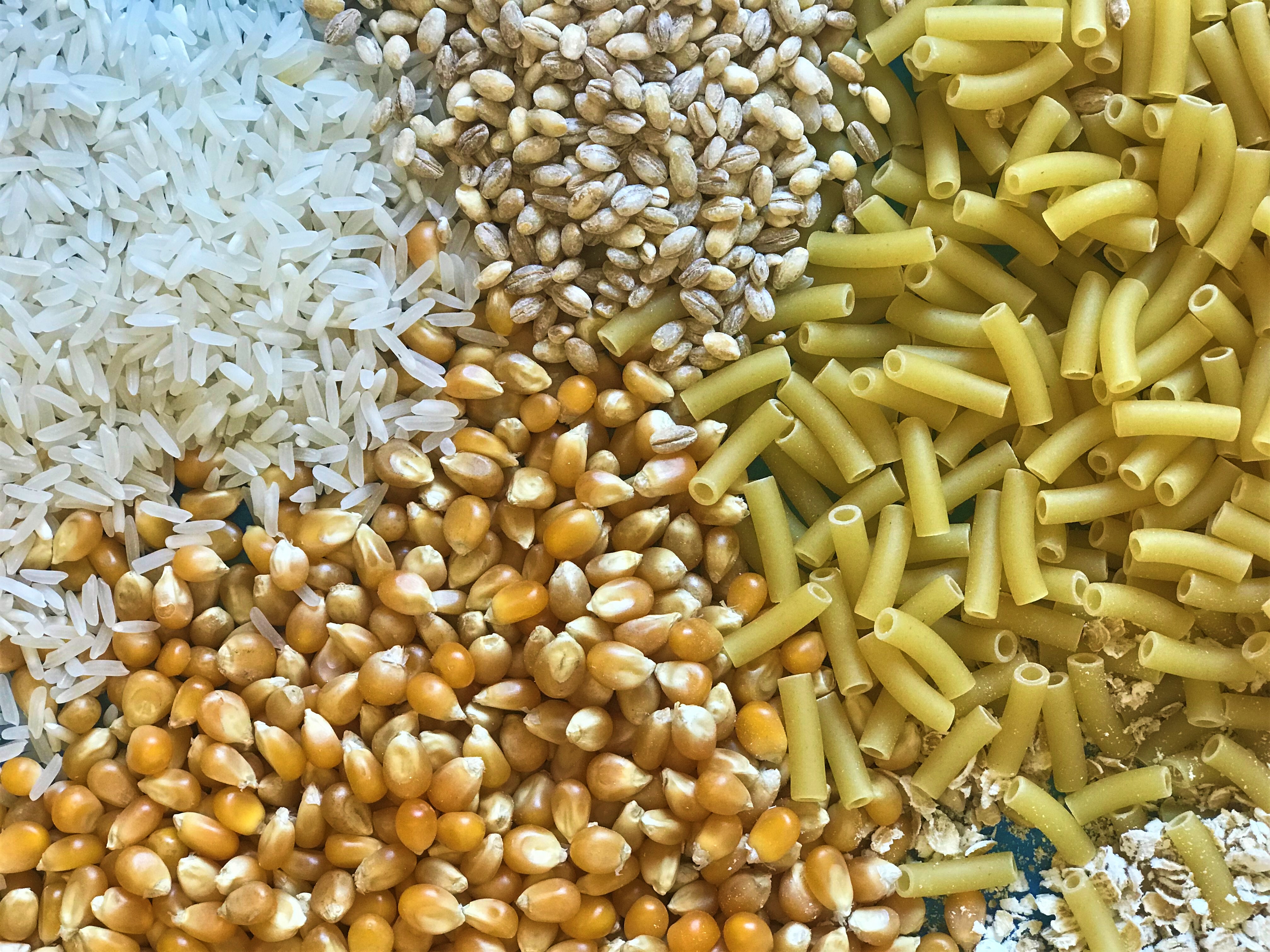
Grain-free diets are a popular choice among people whose dogs are sensitive to ingredients like wheat, maize, barley and oats. However, some reports have linked certain grain-free diets to a heart condition called DCM (dilated cardiomyopathy). Research into the possible connection between DCM and grain-free dog food is ongoing, investigating the ingredients that might be linked and why.
The most important thing to remember is that grain-free food isn’t bad for dogs if it‘s balanced and nutritionally complete. Every Tails.com kibble blend contains all the nutrients your dog needs to be at their happiest and healthiest, so there’s no need to worry. If you’d like to have a chat about grain-free dog food, feel free to reach out to the expert nutrition team at hello@tails.com
Bottom line
Some grain-free diets high in legumes or potatoes may be linked to DCM in certain dogs. The research continues, but your vet can help choose a complete, balanced diet for heart health.
Key takeaways
- In the US, some grain-free diets that contain a high proportion of legumes and/or potatoes or sweet potatoes have been connected to a heart condition called DCM.
- DCM is a serious condition that some breeds of dogs are more prone to. When detected and treated early, diet-associated DCM can be reversible.
- One reason some grain-free diets might be connected to DCM is that if they aren’t nutritionally balanced, certain ingredients might stop dogs absorbing or making taurine, an amino acid that’s important for heart health.
- The most important thing is that your dog’s food is nutritionally complete and balanced, and this is entirely possible whether their diet is grain-free or grain-inclusive.
Table of contents
What is DCM (dilated cardiomyopathy)?
Why are grain-free diets linked to heart disease?
Are all grain-free diets unsafe? Which ingredients are linked to risk?
How to keep your dog’s heart healthy
When to talk to your vet
Safer diet options for peace of mind
Conclusion
FAQs
What is DCM (dilated cardiomyopathy)?
DCM is a disease that affects the heart muscle. It causes the pumping chamber to enlarge, so the muscle wall stretches out and gets thinner, weakening the muscle’s ability to pump blood around the body. It’s a serious condition that puts dogs at a higher risk of heart failure.
While DCM has been linked to certain diets, there are other factors involved. Some breeds of dog are more likely than others to develop DCM, with Doberman Pinschers among those at a higher risk for genetic reasons. [1] Great Danes and Boxers, and large or giant breeds in general, are also thought to be more likely to develop DCM – meaning that those with these types of dogs might prefer to avoid diets that might increase the risk.
Common symptoms of DCM in dogs
DCM can go undetected for some time – there aren’t always symptoms, so sometimes this condition is picked up by vets during a routine check-up. However, early symptoms of DCM include the following:
- Lethargy or weakness
- Exercise intolerance or struggling to keep up on walks
- Fainting or collapse
More severe symptoms that might indicate a more advanced case of DCM include:
- Fluid retention or swollen abdomen
- Coughing or difficulty breathing
- Weight loss or bloated belly [2]
If you notice any of these symptoms, make sure you take your dog to the vet to get them checked out as soon as you can. They’ll be able to identify these symptoms, recommend a care plan and test your dog for DCM or other heart conditions.
Why are grain-free diets linked to heart disease?
In 2018, the US Food and Drug Administration released a statement saying they were investigating a potential link between dog food and a series of unusual cases of heart disease. A similarity uncovered during the investigation was these dogs were all fed grain-free diets, using potatoes and legumes (beans, peas and lentils) as the main carbohydrate source. [3]
There are a number of different theories as to why grain-free diets might be connected to DCM. One is that ingredients like potatoes and legumes might make it harder for dogs to absorb or make taurine from their food, an amino acid that’s essential for heart health. Legumes such as beans, and pulses like peas or lentils contain natural plant chemicals in their raw, uncooked form that might interfere with the digestion of certain other nutrients. However, some dogs with DCM on grain-free diets have normal taurine levels.
Grain-free dog food is not automatically harmful. When these foods are balanced and nutritionally complete (with the right nutrients in the right amounts) they can provide a diet that many dogs thrive on.
What does the research actually say?
Let’s look in a bit more detail into the research so far.
A study conducted by the UC Davis School of Veterinary Medicine found that when Golden Retrievers with DCM who were fed grain-free foods high in legumes were given taurine supplements, or switched diets, their condition improved. [4]
Since 2018, the FDA has provided several updates on their investigation’s progress, sharing in 2022 that there won’t be any further updates for now until there’s new scientific information to share. Right now, the department’s official stance is that no single ingredient or brand has been proven to cause DCM, but that there may be a correlation between the condition and grain-free diets that are heavy in legumes, for certain dogs. [5]
One point that’s worth mentioning is that many of the major studies into DCM and grain-free diets have taken place in the US, where pet food is formulated according to different guidelines. As far as we know, no grain-free dog food made by UK manufacturers has been linked to DCM.
All in all, it’s probable that there are multiple different factors that can influence how likely a dog is to develop DCM – including their breed, genetics, the specific formulation of their diet and how long they’ve been fed that particular diet for.
| Myth | Fact |
| “Grain-free diets directly cause DCM” | In the US, some grain-free diets have been linked to DCM, but no cause and effect relationship has been proven. |
Are all grain-free diets unsafe?
No, grain-free foods can be a perfectly healthy choice for many dogs, as long as they are nutritionally complete and balanced. Some dogs don’t do well on grains or have allergies, meaning that a grain-free diet might be necessary. It’s when the diet isn’t properly formulated that it could cause an issue.
For instance, if the balance of ingredients isn’t right, the diet might be lacking in nutrients. We’ve already talked about the importance of taurine, but there are also taurine precursors – the amino acids methionine and cysteine which dogs can use to synthesise taurine themselves. For a healthy diet, dogs need to be able to get all the nutrients they need from their food, in the correct quantities and proportions.
The most important part of any diet is how ingredients work together, rather than a single ingredient. The overall nutritional composition of a pet food relies on all ingredients making up a balanced diet when mixed together. A mix of meat, vegetables and grains achieves this, as does a diet substituting grain for another carbohydrate source – such as potatoes or legumes. At Tails.com we take great care to make sure all our kibble blends and wet foods are complete and balanced. Our food has been developed through decades of nutritional expertise.
When looking for the best food for your dog, check to say that it describes itself as ‘complete’. This means that it has all the nutrients needed to keep a dog healthy, and would be suitable to make up the entirety of their diet without additional foods or supplements. You can also check to see whether the manufacturer is listed with UK Pet Food, meaning that the company has committed to meeting this industry body’s standards.
Which ingredients are linked to risk?
The ingredients that have been linked to DCM include legumes like chickpeas, lentils and peas. Potatoes and sweet potatoes have also been linked to the condition. While some theories state these ingredients may affect dogs’ ability to absorb or make taurine, the reason why this might be isn’t yet fully understood.
The FDA’s studies have also looked into what’s known as exotic proteins, as the diets investigated were grouped together under the name ‘BEG’ which stands for boutique, exotic or grain-free. It’s thought that including these exotic proteins like bison and kangaroo might make it harder for companies to be totally sure that their food is balanced and contains the right amount of nutrients that are bioavailable, meaning that they’re easy for dogs to absorb. [6]
The problem isn’t necessarily these specific ingredients, but how they behave when combined with other ingredients. The big question is, what’s the overall nutritional value of any particular diet? Does it have everything that dogs need to be healthy and happy?
| Ingredient | Potential concern | May be safe when… |
| Peas, lentils, chickpeas | High inclusion linked to DCM reports | Used in moderate amounts with other ingredients |
| Potatoes/sweet potatoes | High inclusion linked to DCM reports | Balanced with other ingredients |
| Exotic proteins (kangaroo, bison) | May lack nutritional data | Used under vet guidance |

How to keep your dog’s heart healthy
DCM or any other form of heart disease is a serious issue. Here’s how to keep a close eye on your dog’s heart health.
Check for signs early
Take your dog to see the vet regularly – as part of their check-up, your vet will listen to your dog’s heart with a stethoscope and listen out for heart murmurs. These sounds might indicate abnormal blood flow through the heart.
Our Head Vet Sean says:
“If you notice any worrying symptoms, contact your vet right away. If they think your dog might have developed DCM, they can test your dog’s taurine level, or carry out other tests like an echocardiogram – a kind of ultrasound that will allow them to check how well your dog’s heart is pumping, as well as whether the chambers of the heart are the normal size.”
Feed a complete, balanced diet
My advice as a veterinary nutritionist is to make sure that your dog’s food is classed as complete and balanced. Look out for foods that are developed by or in collaboration with nutritionists, and which are designed carefully to fulfill dogs’ dietary needs.
There are lots of foods on the market that use interesting new ingredients like exotic proteins. However, these recipes might not have been as thoroughly tested as more traditional options to ensure they’ll effectively deliver all the nutrients your dog needs.
Ask your vet about supplements
If your dog is diagnosed with DCM, or belongs to a breed that is more likely to develop this condition, your vet might advise you to give them certain supplements. It’s always important to speak to your vet first before adding supplements to your dog’s diet, to make sure it’s safe, necessary and won’t interact with any conditions they have or medicine they might be taking.
When to talk to your vet
Contact your vet for professional advice if you notice symptoms like difficulty breathing, coughing or fatigue. They’ll check your dog for DCM – if your dog has developed this condition, early detection and treatments like supplements and a change in diet might be able to stabilise or even reverse it.
If your dog has switched to boutique, exotic or grain-free food and has been on their new diet for 6 months or more, now’s a good time to make an appointment for a check-up. As well as serious issues like DCM, your vet will be able to take a professional look at your dog’s overall health, taking into account factors like their weight, coat condition and energy levels.
Every dog is different and your vet can help make suggestions about what diet they might need to really thrive. You can also contact our friendly nutrition team at Tails.com whenever you like for more information about dogs’ dietary needs.
Safer diet options for peace of mind
If you’re worried about DCM and are thinking about switching away from grain free to a grain-inclusive diet, look for a food with a complete and balanced formula. All the ingredients should be listed so you know exactly what’s in there, giving you total peace of mind. If your dog is allergic to gluten, you can go for a gluten-free food that uses maize and rice or other grains instead.
A tailored diet, like the blends we make at Tails.com, will be perfectly nutritionally balanced for your pet. This way, you can give your dog a diet that avoids any unwanted ingredients, without being unnecessarily restrictive.
Take a look at our handy two minute quiz today if you’re curious about how we do things here at Tails.com – we’ll work out a tailored plan for your dog taking into account their breed, age, size and any food sensitivities or allergies.
Conclusion
To round things up, a definite link hasn’t been found between grain-free food and DCM in dogs, but it’s still under investigation. If you’re trying to decide what’s the best diet for your dog, work closely with your vet – they’ll be able to advise you on what will be best for your dog’s specific needs, as well as providing regular check-ups on their long-term heart health so you know they’re thriving.
One thing that’s important to remember is that while there might be new food trends that sound great, or foods that make intriguing claims in their marketing, what really matters is that your dog’s diet is nutritionally balanced.
The best diet for your dog’s heart is one that’s complete, balanced, and tailored to their needs, whether it’s grain-free or not.
FAQs
Is grain-free dog food bad for dogs’ hearts?
Not necessarily, grain-free diets can be perfectly healthy. However, in America some grain-free diets have been potentially linked to a heart condition called DCM.
What’s the FDA saying about grain-free diets?
The current FDA position is that certain grain-free foods may be one factor among many that might cause dogs to develop DCM. The diets scientists have been investigating are grouped together as ‘BEG’ – boutique, exotic or grain-free diets. The grain-free foods that have been potentially linked to DCM included high levels of legumes like lentils, peas and chickpeas, and/or potatoes and sweet potatoes.
How do legumes affect taurine?
One theory states that legumes might affect dogs’ ability to make or absorb taurine, an important amino acid that may protect hearts from DCM. However, research is ongoing and this theory hasn’t been proven.
Should I stop feeding my dog grain-free food?
You should check with your vet before changing your dog’s diet. Many dogs do really well on grain-free dog food, but some vets and nutritionists advise that certain dogs should avoid these foods, especially if they’re a breed that’s more likely to develop DCM.
What are early signs of DCM?
DCM can go undetected for some time, as many dogs won’t show symptoms, which is one reason why it’s so important to go for regular check-ups at the vet. However, there are signs which can include low energy, difficulty keeping up on walks or fainting.
Can DCM be reversed?
If diagnosed early, diet-associated DCM can sometimes be reversed with treatment.
Sources
[1] ‘European Society of Veterinary Cardiology screening guidelines for dilated cardiomyopathy in Doberman Pinschers’, Journal of Veterinary Cardiology, 2017
[2] ‘DCM in dogs (Dilated Cardiomyopathy)’, PDSA
[3] ‘FDA investigation into potential link between certain diets and canine dilated cardiomyopathy’, FDA, 2018
[4] ‘UC Davis investigates link between dog diets and deadly heart disease’, UC Davis Veterinary Medicine, 2018
[5] ‘FDA investigation into potential link between certain diets and canine dilated cardiomyopathy’, FDA, 2018
[6] ‘Diet-associated dilated cardiomyopathy in dogs: what do we know?’. Journal of American Veterinary Medicine, 2018
The news re depriving dogs of grains sounds very plausible as grains are very strongly linked with heart health in humans – from top quality studies involving enormous cohorts.
Surely you cannot strongly deny this – as inflicting food fads on dogs is not based on real science any more than self inflicted human fads.
Dr Alice Nesl MBBS (London)
Thank you this is informative and reassuring
Very interesting read. Thank you
Thank you for the information.Was alarmed when I read it in the Telegraph.